
The Impact of Corporate Diversity Pledges on Social Justice
Introduction
In recent years, many corporations have made diversity pledges to promote social justice and inclusivity in the workplace. These pledges involve increasing employee diversity, particularly in leadership positions, and creating a more inclusive and equitable work environment. While these pledges are a step in the right direction, there are questions about their effectiveness and impact on social justice.

The History of Corporate Diversity Pledges
Corporate diversity pledges are not a new concept. In the 1980s and 1990s, many corporations made pledges to increase the number of women and minorities in their workforce. However, these pledges often failed to achieve their intended goals. Companies usually pay lip service to diversity without fundamentally changing their hiring and promotion practices.
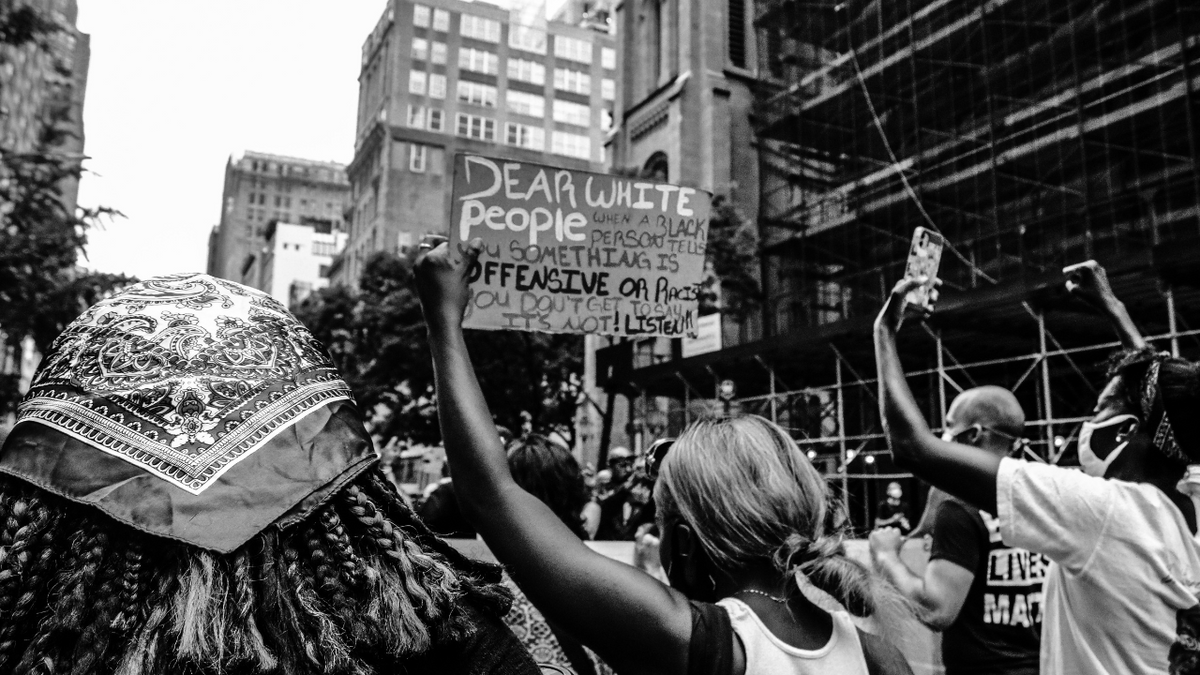
There has been a renewed focus on corporate diversity pledges in recent years. This has been partly driven by the Black Lives Matter movement and increased attention to racial and social justice issues. As a result, many companies have made public commitments to increase diversity and inclusion in their workforce, and some have even tied executive compensation to achieving these goals.

The Potential Impact of Diversity Pledges on Social Justice
On the surface, corporate diversity pledges seem like a positive step toward promoting social justice. However, there are questions about their effectiveness and impact. Some critics argue that diversity pledges are a form of performative activism that allows companies to appear socially responsible without making any fundamental changes.
Others argue that diversity pledges can have a tangible impact on social justice, mainly if concrete actions back them up. For example, if a company commits to increasing the number of women and minorities in leadership positions and then follows through by implementing new hiring and promotion practices, this can impact social justice.

The Challenges of Implementing Diversity Pledges
Implementing diversity pledges can be challenging for companies. One of the biggest challenges is overcoming unconscious bias in the hiring and promotion process. Even with the best intentions, hiring managers may unconsciously favor candidates who are similar to themselves. This can perpetuate a lack of diversity in the workforce.
Another challenge is the lack of diversity in the talent pipeline. Many industries, particularly STEM, have historically had low numbers of women and minorities in entry-level positions. This can make it difficult for companies to achieve diversity goals, as there may not be enough qualified candidates.

The Importance of Accountability and Transparency
One way to address the challenges of implementing diversity pledges is through accountability and transparency. Companies that make diversity pledges should be held accountable for their progress in achieving these goals. This can be done through regular reporting on diversity metrics and tying executive compensation to achieving diversity goals.
Transparency is also essential. Companies should be transparent about hiring and promotion practices and try to eliminate unconscious bias from these processes. They should also be transparent about any challenges they face in achieving their diversity goals and seek feedback from employees and other stakeholders on improvement.

Commitment to Diversity After George Floyd's Death
In the wake of the murder of George Floyd in May 2020, many companies made public commitments to support racial justice and promote diversity and inclusion within their organizations. In addition, companies demonstrated their commitment through monetary pledges to support diversity, equity, and inclusion initiatives. Some of the largest companies in the world made significant financial commitments, ranging from millions to billions of dollars, to address racial disparities and promote greater inclusivity. The following are the ten most prominent companies and their commitment to business inclusion efforts:
- Apple - $100 million
- Google - $12 million
- Amazon - $10 million
- Bank of America - $1 billion over four years
- Microsoft - $150 million
- Facebook - $10 million
- Intel - $1 billion over ten years
- JPMorgan Chase - $30 billion over five years
- Goldman Sachs - $10 billion over ten years
- Verizon - $10 million
The most significant issue is whether these companies have met their commitments.
Conclusion
Corporate diversity pledges have the potential to promote social justice and create more inclusive and equitable work environments. However, they are not a panacea, and there are challenges to implementing them effectively. To truly make a difference, companies must back up their diversity pledges with concrete actions and be held accountable for their progress in achieving these goals. By doing so, they can help to create a more just and equitable society for all.

Frequently Asked Questions (FAQs)
What is a corporate diversity pledge?
A corporate diversity pledge is a commitment made by a company to increase diversity and inclusivity within its workforce, particularly in leadership positions, and create a more equitable work environment.
Are corporate diversity pledges a new concept?
No, corporate diversity pledges are not a new concept. They have been around since the 1980s and 1990s.
So why are there questions about the effectiveness of corporate diversity pledges?
There are questions about the effectiveness of corporate diversity pledges because, in the past, many companies made pledges without making any fundamental changes to their hiring and promotion practices.
What is performative activism?
Performative activism is when a company or individual makes a public statement or commitment about a social issue without taking any meaningful action to address it.
Can diversity pledges have a tangible impact on social justice?
Yes, diversity pledges can impact social justice, mainly if backed up by concrete actions, such as implementing new hiring and promotion practices.
What is unconscious bias?
Unconscious bias is when a person makes decisions or judgments based on cold or subconscious preferences or stereotypes.
What is the importance of accountability and transparency in implementing diversity pledges?
Accountability and transparency are essential in implementing diversity pledges because they ensure that companies are held responsible for making progress toward their goals and are transparent about their hiring and promotion practices.
What is the importance of transparency in implementing diversity pledges?
Transparency is vital in implementing diversity pledges because it allows companies to identify and address any challenges they may face in achieving their diversity goals and seek feedback from employees and other stakeholders on improvement.
What are some of the challenges of implementing diversity pledges?
Some difficulties in implementing diversity pledges include overcoming unconscious bias in hiring and promotion processes and addressing the talent pipeline's lack of diversity.
How can companies create a more just and equitable society through diversity pledges?
Companies can create a more just and fair society through diversity pledges by backing up their promises with concrete actions, such as implementing new hiring and promotion practices and being held accountable for their progress in achieving their diversity goals.