
How to Develop a Successful Social Media Marketing Plan for Musicians and Songwriters

Introduction
Social media platforms have become essential for musicians and songwriters to promote music, connect with their target audience, and expand their fan base. However, creating a successful social media marketing plan can be challenging, requiring careful planning and execution. This article will explore the critical elements of a successful social media marketing plan for musicians and songwriters.
Identifying the Target Audience
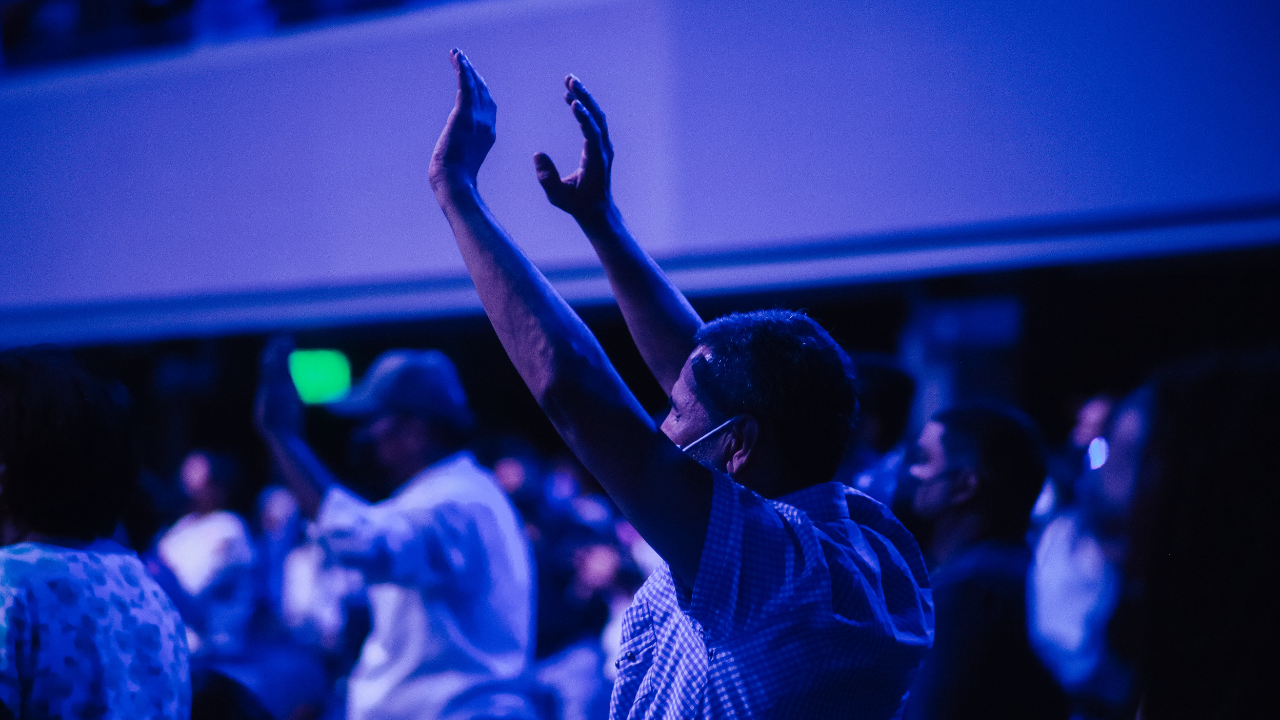
The first step in developing a social media marketing plan for musicians and songwriters is identifying the target audience. The target audience should be music lovers of every age and gender, specifically African-Americans, and should include fans of Gospel, Hip Hop, R&B, and other relevant genres.
Researching the Social Media Platforms
Once the target audience has been identified, the next step is to research the social media platforms that are most popular among the target audience. Based on our research, the most popular social media platforms for this marketing plan are Instagram, Twitter, Facebook, and YouTube.
Developing a Content Strategy
The content strategy is the backbone of any successful social media marketing plan. The content strategy should create engaging and relevant posts, videos, and images that appeal to the target audience. Here is a breakdown of the content strategy:
a) Visually Appealing and High-Quality Content
The content should be visually appealing and high-quality, using professional images, graphics, and videos that capture the target audience's attention.
b) Promotion of Upcoming Performances and New Music Releases
The musician and songwriter should aim to promote their upcoming performances, new music releases, and collaborations with other artists.
c) Regular Sharing of Engaging Content
Regularly share engaging content like behind-the-scenes glimpses into the creative process, sharing their experiences with the audience, and sharing their opinion on current events.
d) Inspirational and Motivational Content
Share inspirational quotes, stories, and other uplifting content that will inspire and motivate the target audience.
e) Collaboration with Other Artists
Collaborate with other artists to create exciting and unique content that promotes their music, style, and brand.

Determine the Optimal Posting Frequency and Timing
The optimal posting frequency and timing for each social media platform are different. Here is a breakdown of the recommended posting frequency and timing for each forum:
a) Instagram
Posting at least once daily at peak times, including mid-morning and mid-evening.
b) Twitter
Posting multiple times daily, focusing on peak hours like lunchtime and early evening.
c) Facebook
Posting at least once daily, with the best times being early afternoon and early evening.
d) YouTube
Posting new content at least once a week and promoting it on other social media platforms.

Implementing a Social Media Advertising Strategy
The advertising strategy should target the musician and songwriter's target audience. The focus should be on creating visually appealing ads promoting upcoming performances, new music releases, and collaborations with other artists. The advertising strategy should include the following:
a) Running Targeted Ads on Social Media Platforms
Running targeted ads on social media platforms, using the audience targeting options to reach African-Americans interested in Gospel, Hip Hop, and R&B music.
b) Creating Engaging Video Ads
Creating engaging video ads that showcase the musician and songwriter's unique style, brand, and goals.
c) Running Promotional Contests and Giveaways
Running promotional contests and giveaways encouraging engagement and sharing of the musician and songwriter's content.

Measuring and Analyzing the Effectiveness of the Social Media Marketing Plan
The effectiveness of the social media marketing plan can be measured using engagement rates, follower growth, and website traffic. It is essential to explain the metrics that should be tracked:
a) Engagement Rates
Monitor the number of likes, comments, shares, and other forms of engagement on each post. High engagement rates indicate that the content resonates with the target audience, while low engagement rates mean the content needs improvement.
b) Follower Growth
Track the growth of followers over time to determine how successful the social media marketing plan is in expanding the musician and songwriter's online presence. A steady increase in followers indicates that the marketing plan effectively attracts new fans.
c) Website Traffic
Track the number of clicks, page views, and other website traffic metrics to determine if the social media marketing plan drives traffic to the musician and songwriter's website. Increased website traffic indicates that the marketing plan successfully drives traffic to the musician and songwriter's website, where fans can learn more about the artist and their music.

Considering the Musician and Songwriter's Unique Style, Brand, and Goals
When developing the social media marketing plan, it is crucial to consider the musician and songwriter's unique style, brand, and goals. The program should reflect the artist's unique style, brand, and goals and help them connect with their target audience authentically and meaningfully. Here are some additional considerations:
a) Consistency
Ensure the messaging and visuals across all social media platforms are consistent with the musician and songwriter's brand. Consistency helps to build brand recognition and creates a cohesive online presence.
b) Creativity
Encourage creativity and innovation in the content while keeping it relevant and engaging for the target audience. Creative content stands out on social media and can help to attract new fans.
c) Authenticity
Strive to maintain an authentic and personal connection with the target audience by sharing real-life experiences and thoughts. Authenticity helps to build trust and credibility with fans.
d) Engagement
Encourage engagement with the target audience by responding to comments and messages promptly and meaningfully. For example, engaging with fans helps build a loyal fan base and can increase social media visibility.
e) Monitoring
Regularly monitor social media platforms for feedback, trends, and changes that could affect the marketing plan. Staying up to date with changes in social media algorithms and trends can help ensure the marketing plan's continued success.
By following these guidelines and continuously adapting to changing trends and feedback, musician and songwriter can expand their online presence, engage with their audience, and ultimately increase their success in the music industry. Social media marketing is essential for musicians and songwriters looking to promote their music and connect with their target audience. With a well-planned and executed social media marketing plan, musicians and songwriters can reach new fans, build a loyal fan base, and achieve tremendous success in their music careers.
Frequently Asked Questions (FAQs)
What social media platforms should I use to promote my music as a musician or songwriter?
Research shows that this marketing plan's most popular social media platforms are Instagram, Twitter, Facebook, and YouTube. These platforms are popular among African-Americans and are widely used for music marketing.
How often should I post on social media?
The optimal posting frequency and timing for each social media platform are different. For example, on Instagram, it's recommended to post at least once daily at peak times, including mid-morning and mid-evening. On the other hand, on Twitter, it's recommended to post multiple times daily, focusing on peak hours like lunchtime and early evening.
What type of content should I post on social media?
Your content should create engaging and relevant posts, videos, and images that appeal to the target audience. This can include promoting upcoming performances, new music releases, collaborations with other artists, sharing behind-the-scenes glimpses into the creative process, inspirational and motivational content, and more.
How can I measure the effectiveness of my social media marketing plan?
The point of the social media marketing plan can be measured using engagement rates, follower growth, and website traffic. Therefore, it is essential to regularly monitor the performance of each social media platform to determine what is working and what needs to be improved.
How can I target my advertising to my audience?
You can run targeted ads on social media platforms, using the audience targeting options to reach African-Americans who are interested in Gospel, Hip Hop, and R&B music.
How can I ensure consistency in my social media branding?
First, ensure the messaging and visuals across all social media platforms are consistent with your brand. Consistency helps to build brand recognition and creates a cohesive online presence.
How can I stand out on social media?
Encourage creativity and innovation in the content while keeping it relevant and engaging for the target audience. Creative content stands out on social media and can help to attract new fans.
How can I maintain an authentic connection with my fans?
First, keep a genuine and personal relationship with your target audience by sharing real-life experiences and thoughts. Authenticity helps to build trust and credibility with fans.
How meaningful is engagement with my fans on social media?
Engaging with fans helps build a loyal fan base and can increase social media visibility. Encourage engagement with the target audience by responding to comments and messages promptly and meaningfully.
How often should I review and adjust my social media marketing plan?
Regularly monitor social media platforms for feedback, trends, and changes that could affect the marketing plan. Staying up to date with changes in social media algorithms and trends can help ensure the marketing plan's continued success. Reviewing and adjusting your project periodically, at least every few months, is a good idea to ensure it's still effective.