
How to Become 8(a) Certified: A Guide for Small Business Owners
Learn how to grow your business by pursuing government contracts with the 8(a) Business Development program.

Introduction
As a small business owner, you may be interested in pursuing government contracts to grow your business. However, competition for these contracts can be fierce, and navigating the complex world of federal procurement can be challenging. That's where the 8(a) Business Development program comes in. We will guide you through becoming 8(a) certified, so you can take advantage of the program's benefits and position your business for success.
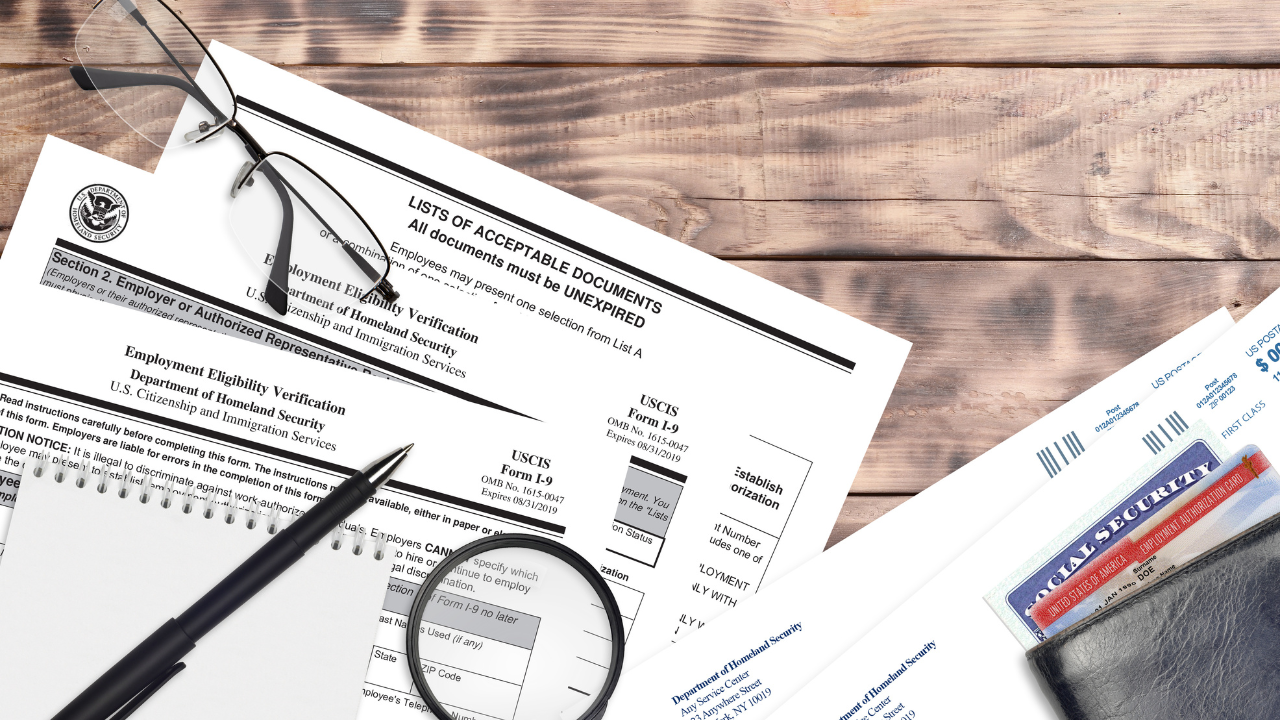
Determine Eligibility
The first step in becoming 8(a) certified is determining eligibility for your business. To qualify for the program, your business must meet the following criteria:
- Be 51% or more owned and controlled by one or more socially and economically disadvantaged individuals who are US citizens.
- Meet SBA's size standards for your industry.
- Be considered a small business.
Socially disadvantaged individuals have been prejudiced or biased based on race, ethnicity, gender, or other factors. Economically disadvantaged individuals are those who meet certain income and asset thresholds. If you are still determining if you meet these criteria, the SBA provides resources to help you determine eligibility.

Register Your Business
Once you have determined your business is eligible, you can register your business as a Small Disadvantaged Business on the System for Award Management (SAM) website. To complete the registration process, you must provide information about your business, including ownership and financial information. This information will be used to determine if your business meets the requirements for SDB certification.

Apply for 8(a) Certification
After registering your business as an SDB, you can apply for 8(a) certification. The application process involves submitting detailed information about your business, including financial statements, tax returns, and other supporting documentation. The SBA will review your application and may request additional information or clarification.
It's essential to take the time to complete your application carefully and thoroughly to avoid delays or denials. You may also want to consult a Small Business Development Center or another resource to ensure your application is complete and accurate.

Take Advantage of Program Benefits
If your business is approved for 8(a) certification, you can use program benefits to help you grow and develop your business. These benefits include:
- Access to government contracts set aside for 8(a) firms
- Mentorship and networking opportunities with other successful firms and industry experts
- Business development training and counseling services to help you grow and develop your business
- The ability to form joint ventures with other companies to compete for larger contracts
- Access to SBA loan programs to finance business operations and invest in growth opportunities.
By taking advantage of these program benefits, you can position your business for long-term success and growth.

Conclusion
Becoming 8(a) certified can be a valuable opportunity for small disadvantaged businesses looking to compete for federal contracts and grow their business. Following the steps outlined in this guide, you can determine if your business is eligible, register as an SDB, apply for 8(a) certification, and take advantage of program benefits. Then, with determination and hard work, you can position your business for success in the federal contracting marketplace.

ChatGPT Prompts (Only Available to Newsletter Subscribers)
If you want to see the prompts in this section, subscribe today!

Frequently Asked Questions (FAQs)
What is the 8(a) Business Development program?
The 8(a) program is a federal government program designed to help small disadvantaged businesses compete for government contracts.
Who is eligible for 8(a) certification?
Your business must be 51% or more owned and controlled by one or more socially and economically disadvantaged individuals who are US citizens to qualify for 8(a) certification, y. Your business must also meet SBA's size standards for your industry and be considered a small business.
What are the benefits of 8(a) certification?
The benefits of 8(a) certification include access to government contracts set aside for 8(a) firms, mentorship and networking opportunities, business development training, counseling services, the ability to form joint ventures with other businesses, and access to SBA loan programs.
How do I determine if my business is eligible?
You can decide if your business is eligible by reviewing the eligibility criteria outlined by the SBA, which includes factors such as ownership and size standards. The SBA also provides resources to help you determine eligibility.
How do I register my business as a Small Disadvantaged Business?
Register your business as an SDB on the System for Award Management (SAM) website. You must provide information about your business, including ownership and financial information.
What is the application process for 8(a) certification?
The application process involves submitting detailed information about your business, including financial statements, tax returns, and other supporting documentation. The SBA will review your application and may request additional information or clarification.
How long does the application process take?
The application process can take several months, depending on the complexity of your application and the volume of applications being processed by the SBA.
Can I get help with my application?
Consider consulting a Small Business Development Center or another resource to ensure your application is complete and accurate.
What happens if my business is approved for 8(a) certification?
If your business is approved for 8(a) certification, you can take advantage of program benefits, such as access to government contracts and mentorship opportunities.
Can I still participate in the 8(a) program after graduation?
Unfortunately, the 8(a) program has a nine-year term limit, after which businesses "graduate" from the program and are no longer eligible to participate. However, you may still qualify for other SBA programs or government contracting opportunities.