
Delaware Pilot Projects Aim to Increase Diversity in State-Funded Construction Projects
Delaware addresses the lack of diversity in state-funded construction projects through pilot projects evaluating union labor and DBE participation.

Introduction
Delaware is taking steps to address the lack of diversity in state-funded construction projects, an ongoing issue for years. A 2022 study commissioned by the state found that non-minority, non-women-owned businesses accounted for almost all of the state's vendors when conducting state business. In addition, Hispanic and Black-owned construction firms represent a little more than 2% of the vendors the state contracts with for construction services. This disparity is especially pronounced in construction and construction-related services.

Lack of Diversity in Delaware's Construction Projects
The lack of diversity in Delaware's construction projects has been an ongoing issue for years, so the state is taking steps to address it. According to a 2022 study commissioned by the state, the lack of diversity is due to several factors, including:
- A lack of awareness of state-funded opportunities by minority-owned businesses
- Limited access to financing for minority-owned businesses
- A lack of support for small and minority-owned businesses from the state

The Pilot Projects
The state lawmakers have revised last year's historic $1.4 billion bond legislation to allow for pilot projects that aim to increase participation from disadvantaged groups. These pilot projects aim to evaluate union labor and DBE (certified disadvantaged business enterprise) participation.

Overview of the Revised Legislation
The revised $1.4 billion bond legislation allows pilot projects to establish guidelines and hiring goals and evaluate how to boost the participation of businesses from disadvantaged community members in construction.

Two Agendas of the Pilot Projects
- The employment of skilled laborers under a community workforce agreement
- A construction project involving a certified disadvantaged business enterprise.
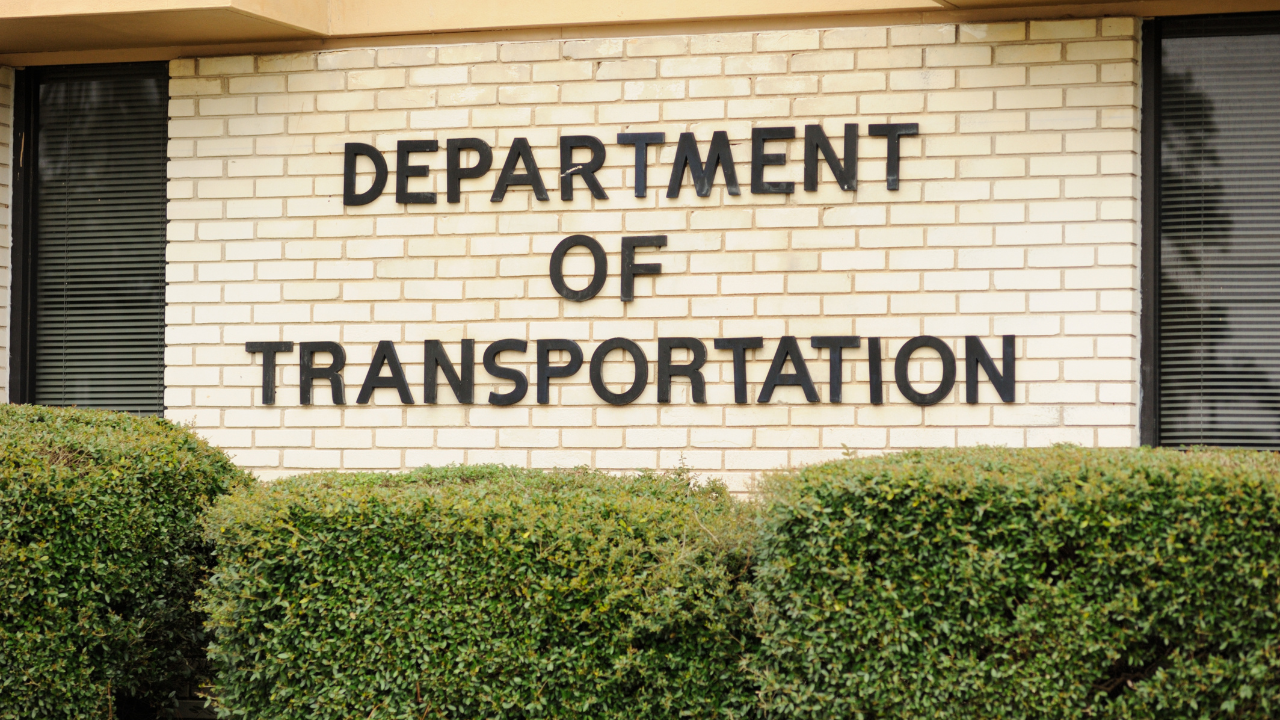
The Office of Management and Budget and Delaware Department of Transportation's Role
The Office of Management, Budget, and Delaware Department of Transportation will oversee the pilot projects. In addition, the pilot studies and subsequent steps are supported to boost the involvement of minority-controlled construction companies.

DBE and Union Labor Participation
DBEs are for-profit businesses certified by the government, where at least 51% of the company is owned and operated by socially and economically disadvantaged people. The significance of union labor and DBE participation in state-funded construction projects is that they bring diversity to the construction industry, which leads to a more inclusive workforce and better opportunities for minority-owned businesses.

Targets and Guidelines
The targets and guidelines for DBE and union labor participation have not been finalized yet. The community workforce agreement still needs to be worked out between state agencies and the labor unions, as well as the guidelines determining the targets for underrepresented community participation and workforce percentages.

Reporting and Future Steps
The Office of Management and Budget and the Delaware Department of Transportation will be required to report to the bond committee with the results from the project for the pilot program annually. This report will show whether pilot projects effectively increase diversity in state-funded construction projects. The state hopes these pilot projects will lead to more opportunities for minority-controlled construction companies and a more diverse construction industry.

Conclusion
In conclusion, increasing diversity in state-funded construction projects is essential because it leads to a more inclusive workforce and better opportunities for minority-owned businesses. Delaware addresses this issue by implementing pilot projects evaluating union labor and DBE participation. By doing so, Delaware hopes to create a more diverse construction industry that provides more opportunities for all.

Frequently Asked Questions (FAQs)
What is the need for more diversity in state-funded construction projects in Delaware?
The need for more diversity in Delaware's state-funded construction projects is an ongoing issue that has been prevalent for years. A 2022 study commissioned by the state found that non-minority, non-women-owned businesses account for almost all state vendors when conducting state business.
What are the reasons for the lack of diversity in Delaware's construction projects?
According to a 2022 study commissioned by the state, the lack of diversity is due to several factors, including a lack of awareness of state-funded opportunities by minority-owned businesses, limited access to financing for minority-owned businesses, and a lack of support for small and minority-owned businesses from the state.
What are the pilot projects, and what do they aim to achieve?
The state lawmakers have revised last year's historic $1.4 billion bond legislation to allow for pilot projects that aim to increase participation from disadvantaged groups. These pilot projects aim to evaluate union labor and DBE participation.
What is the revised $1.4 billion bond legislation, and how does it help?
The revised $1.4 billion bond legislation allows pilot projects to establish guidelines and hiring goals and evaluate how to boost the participation of businesses from disadvantaged community members in construction.
What are the two agendas of the pilot projects?
The pilot projects include the employment of skilled laborers under a community workforce agreement and a construction project involving a certified disadvantaged business enterprise.
Who oversees the pilot projects?
The Office of Management, Budget, and Delaware Department of Transportation will oversee the pilot projects.
What is the significance of DBE and union labor participation in state-funded construction projects?
DBEs and union labor participation bring diversity to the construction industry, which leads to a more inclusive workforce and better opportunities for minority-owned businesses.
What are the targets and guidelines for DBE and union labor participation?
The targets and guidelines for DBE and union labor participation have yet to be finalized.
How will the results of the pilot projects be reported?
The Office of Management, Budget, and the Delaware Department of Transportation will be required to report to the bond committee with the results from the project for the pilot program annually.
What is the purpose of Delaware's pilot projects?
The state hopes these pilot projects will lead to more opportunities for minority-controlled construction companies and a more diverse construction industry that provides more opportunities for all.